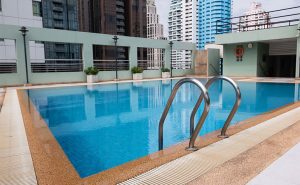
Building a pool looks simple from the outside: dig a hole, pour concrete, add water, and jump in. Real pool building is more detailed. The ground must hold the weight. Water must move cleanly. Power and lights must be safe. Small misses early can turn into leaks, cracks, and big bills later. This article lists 10 common mistakes in pool construction and how to avoid them.
The goal is plain: help you make smart choices before the first shovel hits the soil. You will find simple terms, clear numbers, and quick checks you can use with any builder. Keep this list handy during planning, bids, and site work so your pool lasts and costs less to run.
Skipping Soil Tests And Site Drainage Study
Soil is the pool’s foundation. If the ground shifts, swells, or drains poorly, the shell can crack or float. A basic geotech report tells you soil type, bearing strength, and groundwater depth. Typical residential pools need soils that can bear 1,500–3,000 psf; weaker soils may need over-excavation or piers. Also, check surface water: rain must flow away from the pool and equipment.
What to do
- Order a soil test before design.
- Map stormwater paths; add French drains or swales if needed.
- Keep the pool at least 5 ft from large trees or plan root barriers.
- If groundwater is high, add a hydrostatic relief valve and a sump.
Quick signs of trouble
- Standing water after rain
- Soft, silty soil that clumps like mud
- A lot of slope sends water toward the pool
A few early tests can save thousands in repairs later.
Ignoring Local Codes, Permits, And Setbacks
Every city has rules on setbacks, barriers, electrical, plumbing, and drainage. Skipping permits or guessing on rules slows the job and may force rebuilds. Codes often require fencing 4 ft+ high, self-closing gates, and anti-entrapment drains that meet VGB standards. Setbacks (distance from property lines or structures) protect neighbors and utilities.
Do this before bids
- Pull the zoning map and note setbacks.
- Confirm utility locations; call before you dig.
- List required inspections: pre-plumb, steel, shell, deck, and final.
- Ask about noise and work-hour rules.
Why it matters
- Unpermitted builds can be denied power or gas hookups.
- Missing safety gear can void insurance.
- Relocating a shell after steel goes in costs far more than permit fees.
Permits are not red tape; they are a guardrail.
Underestimating Steel Rebar And Shell Thickness
The concrete shell resists water pressure and soil movement. Too little steel or thin sections lead to cracks. Many pools use No. 4 rebar (½”) spaced about 8–12 inches on center, tied in a grid with extra steel at steps, benches, and corners. For shotcrete/gunite shells, common design targets are around 6″ walls and 8–12″ floors, but engineers may specify more based on soil and shape.
Key checks
- Ask for stamped structural drawings.
- Verify that steel chairs keep rebar off the dirt (for proper cover).
- Ensure all penetrations (returns, lights) get rebar “hairpins.”
- Use concrete with 3,000–4,000 psi minimum compressive strength.
Simple rule: If a plan shows large spans with little steel, ask why. Structure is the last place to cut costs.
Poor Plumbing Layout And Small Pipe Diameters
Plumbing controls water quality and energy use. Pipes that are too small raise friction, overwork pumps, and lower flow at jets and skimmers. A good plan maps suction lines (main drain, skimmers) and return lines (inlets, features) with gentle sweeps instead of sharp 90° turns.
Targets
- Keep pipe velocity near 3–5 ft/s on suction and up to ~8 ft/s on pressure lines.
- Use 2″ or larger main runs on many residential pools; long runs or features may need bigger.
- Provide two skimmers for larger surfaces to improve leaf capture.
Smart layout tips
- Separate valves for each suction line allow balancing.
- Use unions for equipment for service.
- Pressure test to 35–50 psi for at least 24 hours before covering.
Right-sized plumbing means clearer water and lower power bills.
Wrong Pump, Filter, And Turnover Targets
Your system must turn the whole pool volume over in a set time. For most residential pools, aim for a 6–8 hour turnover. Variable-speed pumps help hit that goal with less energy. Filter size matters too: larger filters need less cleaning and hold more debris.
Simple sizing steps
- Calculate pool volume (length × width × average depth × 7.48).
- Turnover flow = volume ÷ hours. Example: 20,000 gal ÷ 8 h = 2,500 gph ≈ 42 gpm.
- Pick a filter that handles your target GPM with a low clean pressure.
- Choose a pump that meets the flow at your total dynamic head (TDH).
Good practices
- Use cartridge filters for low water loss, or sand/DE as preferred.
- Keep the filter pressure clean and note the “dirty” changeout pressure (often +8–10 psi).
- Program pump schedules: Low speed is used most of the day, and it is higher only when needed.
Right-sizing improves clarity, noise, and costs.
Weak Waterproofing And Leaky Expansion Joints
Concrete is porous. Without proper waterproofing, water finds hairline paths and causes staining, efflorescence, or leaks. A flexible cementitious or membrane coating over the shell adds protection, especially in cold or aggressive water areas. At the pool-to-deck interface, an expansion joint lets the deck move without pushing the tile line.
Checklist
- Apply approved waterproofing to the shell and around penetrations.
- Detail tile bands and channel drains with proper backer rod and sealant.
- Use weep holes behind tile where needed to relieve moisture.
- Keep the coping movement isolated from the shell with the joint clean and sealed.
Tell-tale clues
- White powdery stains (efflorescence) near the waterline
- Cracked grout along the tile band
- Damp soil on the outside walls
Seal water in and stress out, and the finish lasts longer.
Bad Electrical Bonding, Grounding, And Lighting Safety
Water, metal, and power must be handled with care. Pools require equipotential bonding so all metal parts share the same electrical potential. A common spec is an #8 AWG copper bonding grid connected to ladders, rails, niche shells, and rebar. All outlets near the pool should be GFCI-protected, and lights must be listed for pool use.
Safety musts
- Keep fixtures and junction boxes at code distances from the water.
- Route low-voltage light transformers per the manufacturer’s rules.
- Never bury splices outside approved boxes.
- Label breakers for the pump, lights, and heater.
Simple tests
- Ask for bonding and GFCI test records.
- Verify light niches are grounded and bonded.
- Ensure the equipment pad has a clear working space around panels.
Good bonding and grounding prevent shocks and save lives.
Finish Prep, Deck Slopes, And Slip Resistance
Many issues show up at the end: blotchy plaster, puddles on decks, and slippery surfaces. Most plaster problems start with poor surface prep: dust, oil, or weak laitance left on the shell. Decks need the right slope—the typical target is ¼ inch per foot—to move water away from the pool and house. Finally, deck textures should meet slip-resistance needs without hurting bare feet.
Best practices
- Acid wash or mechanically profile the shell before plaster or pebble.
- Maintain water chemistry during fill (see LSI notes below).
- Set deck forms to a consistent slope; double-check with a level.
- Choose finishes with a tested COF (coefficient of friction) suited for wet areas.
Quick QA list
- No standing water on any deck panel after the hose test
- Even color after finish cures
- Expansion joints sealed at deck breaks
Good prep and slopes keep the area safe and tidy.
Startup Water Balance, Training, And Handover Steps
A strong finish can still fail if the first 30 days are handled poorly. Fresh plaster is sensitive. Keep the Langelier Saturation Index (LSI) near -0.1 to +0.1 to avoid etching or scale. That means balancing pH, alkalinity, calcium hardness, and temperature. Brushing is key: twice daily for the first week, then daily for the next three weeks.
Startup plan
- Begin filling at once; do not stop mid-fill to avoid ring marks.
- Test water daily for the first two weeks.
- Keep pH around 7.2–7.6, alkalinity 80–120 ppm, calcium 200–400 ppm (follow finish maker’s guide).
- Delay salt systems until the finish cures (often 28 days).
Handover musts
- Written equipment map and valve labels
- Pump schedules programmed and explained
- Safety gear, barriers, and drain covers documented with dates
A clean startup protects the look and the structure.
Conclusion
Pool builds succeed when plans are clear, soil and structure are strong, water moves well, and safety rules are followed. Use this checklist to guide bids, ask better questions, and verify work at each step. If you prefer a team that handles testing, permits, structure, plumbing, safety, and startup with the same care, Pro Craft Aquatics provides pool construction services from planning to final handover.
We focus on code-compliant builds, efficient systems, and smooth startups so your pool runs well and lasts. Ready to plan your pool the smart way? Talk with Pro Craft Aquatics and get it done right.